NSF Grants Rod Kim $550K CAREER Award to Break the Radio Silence in Space Travel
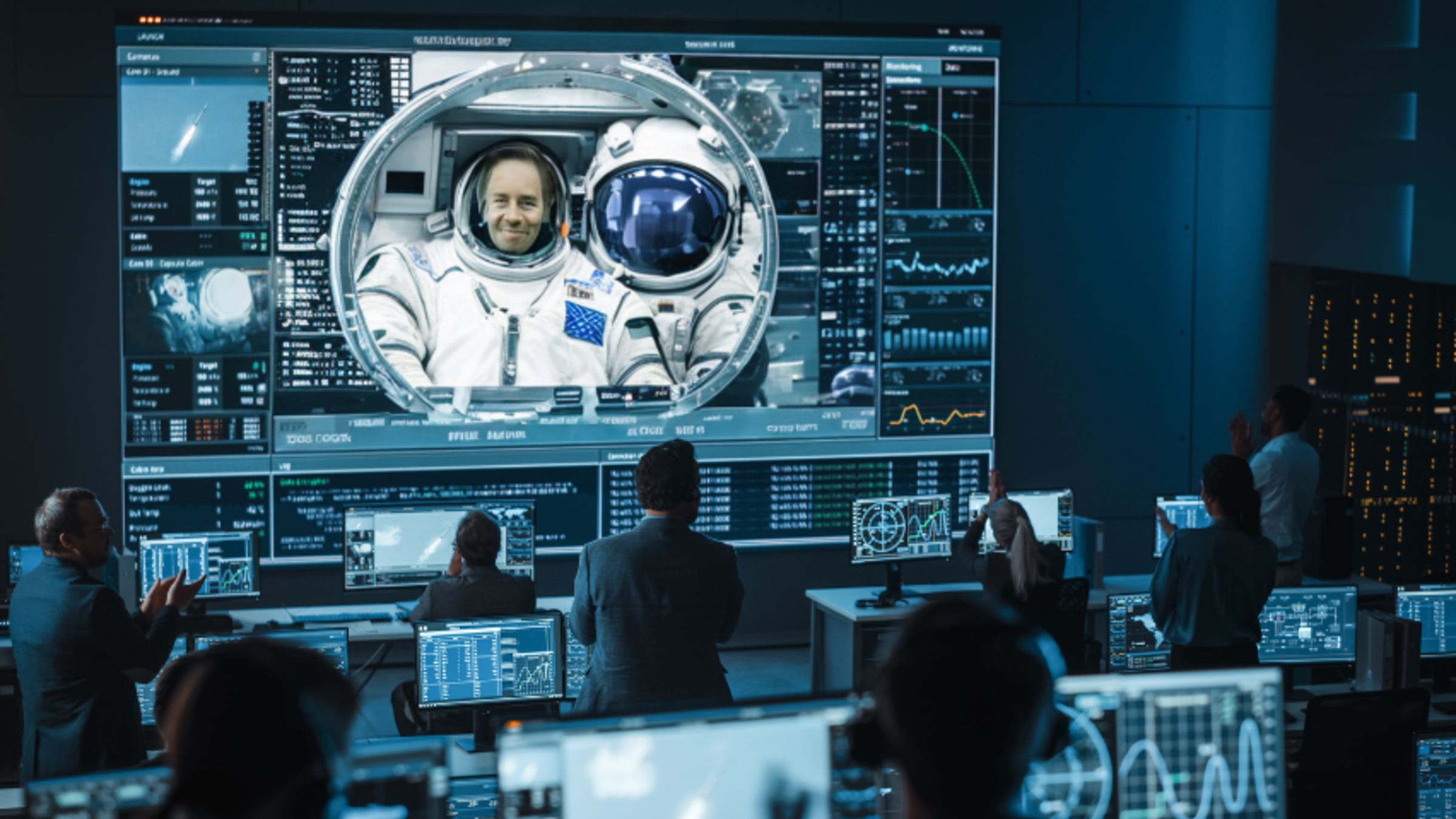
One of the most nerve-wracking moments in space exploration history was the 1970 return of the Apollo 13 mission. The world held its breath waiting for news of the three Apollo astronauts as a radio blackout cut off communications with NASA mission control for several tense minutes – nearly 90 seconds longer than expected.
The Apollo 13 blackout was surprisingly long, but more than half a century later, blackouts are still a standard yet unwelcome part of space flight that limits astronauts’ ability to communicate and mission control’s power to ensure safe returns.
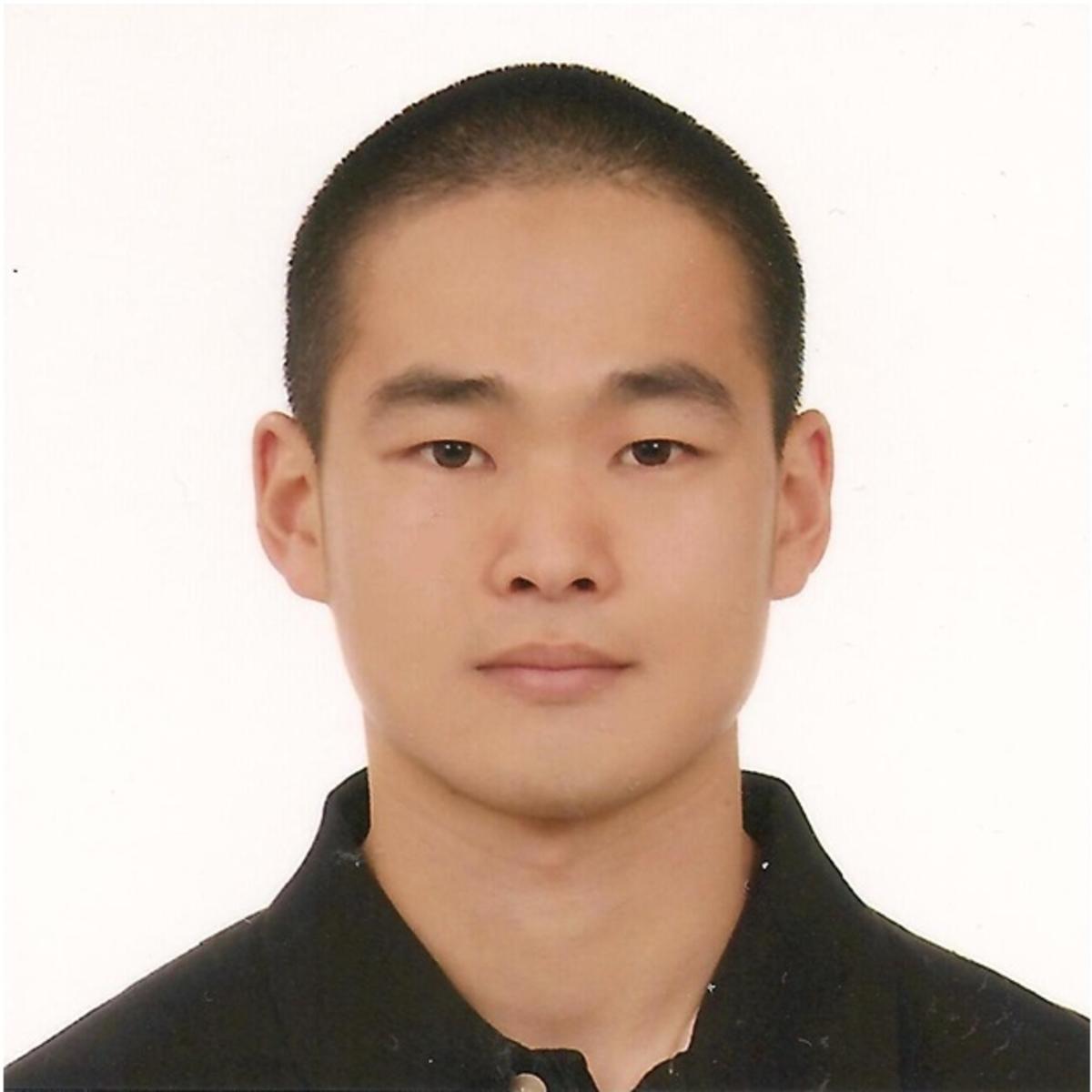
Rod Kim, assistant professor in the Department of Electrical and Computer Engineering at Stevens Institute of Technology, has made it his mission to keep the airwaves open during space travel. With a $550,000 National Science Foundation CAREER Award, Kim is studying "Versatile RF [Radio Frequency] Electronics for Extremely High-Temperature Sensing and Communications," with the goal of creating the first high-frequency electronic components that can withstand temperatures above 1,000°C.
Blazing new trails in space communication
Radio blackouts occur when the friction associated with the spacecraft reentering the atmosphere or traveling at hypersonic speed generates intense heat that ionizes the air. The resulting layer of highly charged plasma absorbs and scatters radio waves, preventing signals from passing through and halting not only communication, but also navigation and data monitoring. It poses a very real threat to astronauts, and despite decades of research, no practical solution yet exists.
Kim is working to develop high-frequency radio frequency electronics, novel materials and measurement techniques that can be used even in these extreme plasma environments, potentially allowing spacecraft to keep communications open during reentry and hypersonic travel. Due to the fact that commercially available materials can’t withstand such extreme conditions, Kim and his team are taking a do-it-yourself approach.
"We are starting from the ground up," Kim explained, "quickly developing custom-built test equipment to enable precise characterization."
He’s using advanced 3D-printed ceramic and insulating materials that can withstand high temperatures while maintaining excellent electromagnetic performance. These cutting-edge innovations include:
Ceramic structures that combat heat-induced interference for more accurate signal transmission.
High-temperature sensors that digitally adapt to changing electromagnetic properties for greater reliability in extreme environments.
Advanced signal trackers with on-chip processing to reduce noise and enhance signal clarity, supporting real-time communication.
AI-powered ceramic fiber systems that dynamically adjust to temperature fluctuations for peak performance.
The project is also providing hands-on research opportunities for students at all levels, from high school to graduate studies.
"Students will learn about test equipment and circuit design techniques," Kim said, "preparing them for careers in advanced engineering fields."
Kim’s work paves the way for more reliable signal transmission, even in environments where temperatures change rapidly. It has strong potential not only for human space exploration, but also back on solid ground for hypersonic defense systems, industrial monitoring, and other military and industrial uses that require flawless sensing and data transmission in extreme conditions—literally throughout the universe.
Learn more about academic programs and research in the Department of Electrical and Computer Engineering: